

Palm reading, also known as palmistry or hand reading, is a method that looks at the hands to understand how a person uses energy, makes decisions, and moves through life. It does not claim to predict fixed events. Instead, it focuses on patterns: how you act, where you invest effort, and how experience has shaped your choices over time.
This method has been used for centuries and is still relevant because hands change as life changes. Lines deepen, shift, or soften as habits form, priorities move, and pressure comes and goes. Palm reading works by observing these changes carefully and placing them in context.
A palm reading usually begins with clear photos of both hands, or a live session. Rachel looks at the dominant hand and the non-dominant hand together. The non-dominant hand is often linked to natural tendencies and early patterns. The dominant hand shows how those tendencies are being used today. Comparing the two gives a clearer picture than reading one hand alone.
The reading starts with the overall hand shape and fingers. The size of the palm, the length of the fingers, and how flexible the hand is give a first sense of temperament. Some hands show a practical and steady approach. Others lean toward analysis, intuition, or expression. This sets the frame for the rest of the reading.
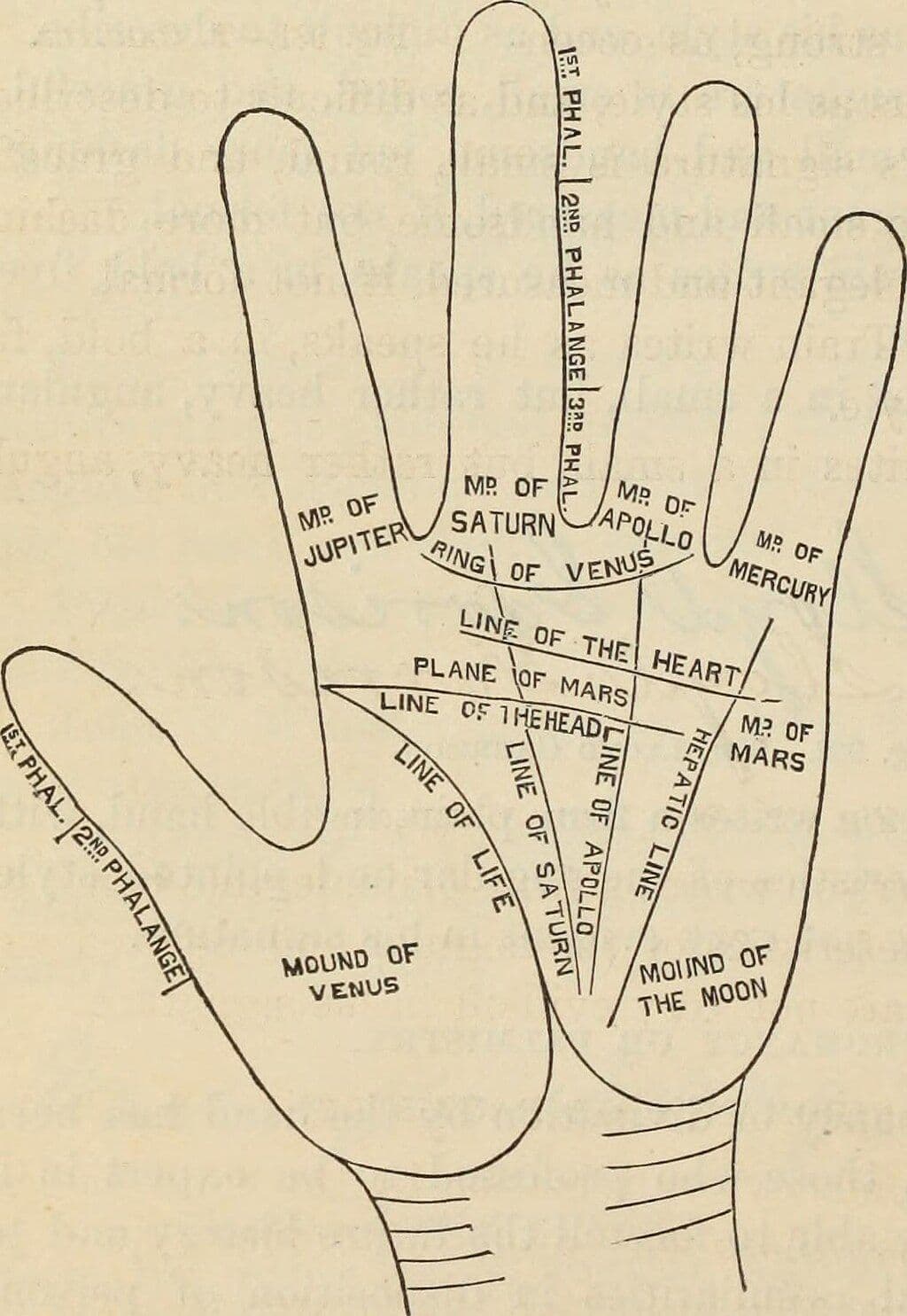
Next comes the life line, which curves around the base of the thumb. Despite the name, this line is not about lifespan. It reflects stamina, personal boundaries, and how you handle long-term effort. A clear, steady line often points to consistent energy. Breaks or changes can suggest periods where routines, health habits, or direction shifted.
The head line runs across the palm and shows how you process information. A straighter line can suggest structured thinking and careful planning. A more curved line often points to flexible thinking and imagination. The depth and flow of this line can also show how easily you focus under pressure.
The heart line, found near the top of the palm, relates to emotional pace and connection. It can reflect how openly you express feelings, how quickly you attach, and how you handle emotional stress. Its ending point and shape often show whether someone values independence, closeness, or balance in relationships.
We also looks at the fate line and other markings, if they appear. The fate line, running vertically through the center of the palm, often reflects how you respond to structure, work roles, and responsibility. Additional lines, such as the Sun line or travel lines, along with the mounts (the soft padded areas of the palm), offer clues about creativity, social flow, and motivation.
During the session, we move through each part of the hand in a fixed order. Nothing is rushed or skipped. Every line is read in relation to the others and tied back to the questions you shared. If your focus is work, the reading looks closely at decision style, energy use, and pressure points. If your focus is relationships, it highlights emotional rhythm, boundaries, and consistency.
The result of a palm reading is not a verdict. It is a clear summary of how your patterns show up in action. You learn where you tend to push, where you may overextend, and where small adjustments can make daily life easier.
Palm reading works best when you want understanding rather than fast answers. It gives language to habits you already live with and helps you make choices that fit how you actually function, not how you think you should.